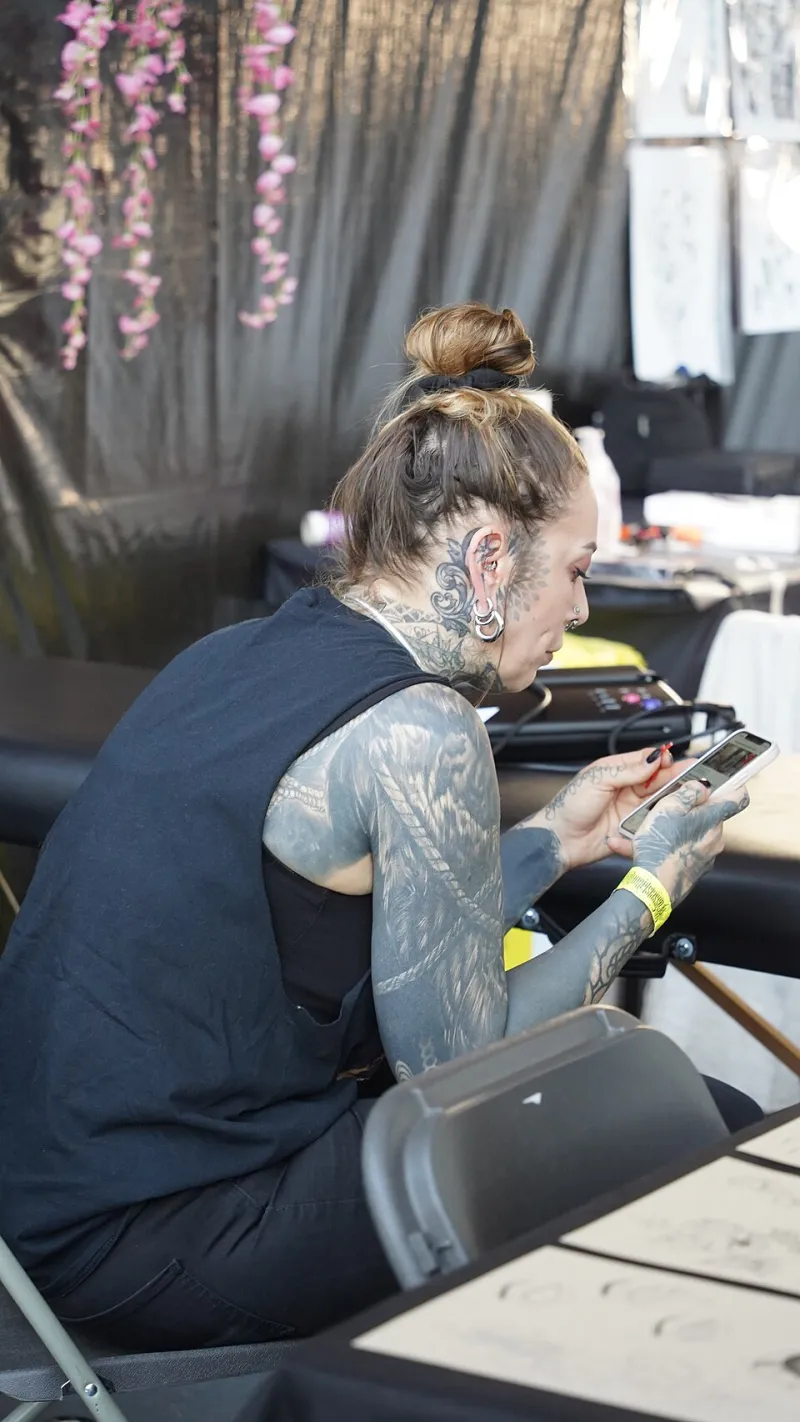
Photo: Miguel Discart, CC BY-SA 2.0, via Wikimedia Commons
62°F and Overcast Has No Idea What It's Up Against
Every morning, somewhere in America, a person picks up their phone, opens the weather app, reads the words '58 degrees, chance of rain,' nods thoughtfully, and then puts on an outfit that has absolutely nothing to do with that information.
The linen trousers go on. The open-toe mules get selected. The structured blazer — the one that is undeniably autumn, regardless of the actual calendar — gets pulled from the closet with the quiet confidence of someone who has simply decided that the weather is wrong.
This is not a failure of judgment. This is an American tradition. And OutfitWatch is here to document it with the reverence it deserves.
The Forecast Is a Suggestion, Not a Directive
Let's establish something important upfront: weather apps are, in theory, useful. They tell you things. True things, often. The temperature, the precipitation probability, the UV index that you've never once checked but appreciate is there.
The problem is that weather apps communicate purely in data, and getting dressed is not a data exercise. Getting dressed is an emotional exercise. It is a daily act of self-expression, identity construction, and — on the good days — mild performance art. The weather app does not account for the fact that you bought this blazer specifically because it makes you feel like someone who has a structured morning routine and opinions about coffee. The weather app does not care about your vibe.
And so a negotiation begins. Every single morning. You vs. the forecast. The forecast is armed with meteorological science. You are armed with an outfit that simply cannot be wasted on a Tuesday when you're just going to the office.
Guess who wins.
Seasonal Delusion: A Love Story
Nowhere is the weather-vs.-vibe conflict more dramatic than at the seasonal transitions, because Americans do not actually change their wardrobe based on temperature. They change it based on vibes, retail calendars, and the vague emotional sense that a new chapter has begun.
The moment it is technically September — regardless of whether the temperature has moved below 80 degrees — a significant portion of the population will begin wearing boots, scarves, and cable-knit sweaters. Not because they are cold. Because it is fall. Fall is a feeling. Fall is a mood board. Fall is a Spotify playlist and a specific quality of afternoon light and the smell of a candle that costs $42. Fall is not, in this context, a meteorological designation.
This same phenomenon runs in reverse come March. The second the calendar flips, the sundresses emerge. It is 49 degrees in Chicago. The sundress does not care. Spring has been declared, and the sundress is the announcement.
An Unscientific Ranking of Weather Conditions Most Frequently Ignored for Fashion Reasons
In the interest of thorough journalism, OutfitWatch has compiled the following ranking of weather conditions and how often they are overruled by aesthetic priorities. Methodology: vibes.
1. 'Feels Like' Temperature Warnings The single most ignored data point in American fashion decision-making. The app says it feels like 44. Your outfit says it feels like confidence. Confidence wins every time.
2. 'Chance of Rain: 70%' The white sneakers go on anyway. You know this. We know this. The sneakers know this. The puddle knows this.
3. 'Humid' Anything The linen was chosen specifically because it's breathable. The humidity will make it look like you slept in it by 10 AM. You are aware of this. The linen is still the choice.
4. Wind Advisories This is when the flowy dress gets worn, actually. The wind advisory is practically an invitation.
5. 'Unseasonably Warm for November' The puffer coat is already out. It has been out since October 15th. It is going on the body regardless of what November decides to do with its thermostat.
6. Actual Snow The fashion boots — not the functional boots, the fashion boots — are making an appearance. They have no grip. They have no insulation. They are absolutely gorgeous and you will be fine.
Outfit-First Meteorology: The Practice We Don't Acknowledge
Here's a concept that doesn't have an official name but absolutely deserves one: outfit-first meteorology. This is the practice of selecting your outfit first, then consulting the weather app to see if your choice can be defended, then consulting the weather app again and deciding it's probably fine, then leaving the house.
The weather app is not consulted as a guide. It is consulted as an obstacle to be negotiated with.
'Okay, 54 degrees. But I'll be inside most of the day. And I'll park close. And I can walk fast between the car and the door. And honestly, 54 is basically 60 if you're committed.'
This is not rational. This is also not going to stop. The outfit has already been decided. The meteorological reasoning is constructed around it, not before it.
The 62-Degree Problem, Specifically
Of all the weather conditions that cause the most internal conflict, 62 degrees and overcast deserves its own paragraph because it is genuinely impossible to dress for without lying to yourself a little.
62 degrees is not cold enough to justify a heavy coat, which means the beautiful wool coat you've been waiting to debut stays home. It is not warm enough to go without a layer, which means the perfect summer outfit doesn't quite work either. It is aggressively, insultingly in between.
The correct answer, technically, is a medium-weight layer. Something transitional. Something practical.
The actual answer, for a significant portion of the American population, is to pick the outfit that best expresses the current emotional season — regardless of the physical one — add a scarf that won't actually keep you warm, and walk out the door with the energy of someone who has made peace with mild discomfort.
62 degrees has no idea what it's up against.
A Note on Suffering for Fashion
It would be irresponsible to end this piece without acknowledging that choosing aesthetics over body temperature does occasionally result in genuine suffering. The shivering outside the restaurant. The ruined shoes. The very specific misery of sitting through a three-hour event in an outfit that was perfect for the Instagram photo and catastrophic for actual human comfort.
We see you. We have been you. We will be you again, probably next weekend.
The good news is that being cold and looking great is a very old human tradition. Ancient Romans wore impractical sandals. Victorian women wore corsets. We wear open-toe mules in October. We are part of a long, proud lineage of people who decided that the vibe was more important than the thermostat, and history has not judged them harshly.
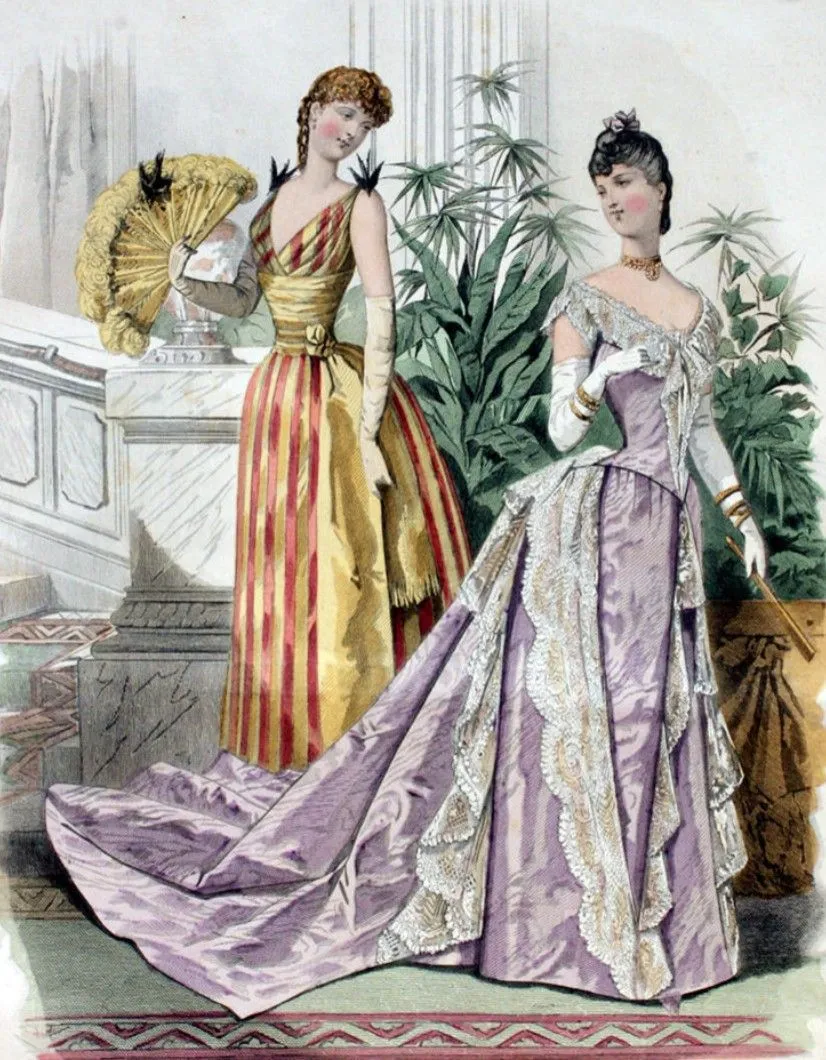 Photo: Victorian women, via i.pinimg.com
 Photo: Ancient Romans, via www.thoughtco.com
The weather app will be wrong sometimes. Your outfit will be right always.
Bundle up. Or don't. We both know how this goes.