Nobody Knows What 'Smart Casual' Means and We're All Just Pretending
The Two Words That Broke America
It arrives without warning. You're minding your business, you RSVP to something, and then — there it is, buried in the event details like a tiny fashion grenade: Dress code: Smart Casual.
Your stomach drops. Your group chat explodes. Someone's already on Reddit.
In a country that successfully put a man on the moon, developed the internet, and invented the drive-through, we have somehow failed — completely and catastrophically — to define what "smart casual" actually means. It is the Bermuda Triangle of dress codes. Outfits go in. Confidence does not come out.
A Brief History of Vague Fashion Instructions
Dress codes, in theory, are supposed to help people. "Black tie" works. You rent a tux, you show up, you feel like James Bond for four hours. "Casual" works. Jeans. Done. Everyone goes home happy.
But somewhere along the way, someone decided that the space between "business formal" and "I literally just grabbed this off my floor" needed its own category. And instead of defining that category with any useful specificity, they just... didn't. They handed us "smart casual" and walked away. Like dropping off an IKEA dresser with no instructions and wishing you luck.
The result? Thirty years of collective national panic.
The Group Chat Is Always the First Casualty
If you want to understand the true psychological weight of an ambiguous dress code, look no further than the American group chat in the 48 hours before any semi-formal event.
It starts reasonably enough. Someone asks what everyone's wearing. Someone else says "I'm thinking nice jeans?" A third person responds with a screenshot of a blazer from Nordstrom Rack. Then someone's mom gets added by accident. Someone threatens to just wear a dress "and see what happens." By hour six, there are seventeen conflicting opinions, two people have panic-bought something from Amazon Prime, and one person has gone completely silent — which either means they've figured it out or they've simply decided not to attend.
This is not a bug in the system. This is the system. "Smart casual" was designed, consciously or not, to make you outsource your anxiety to the people you love most.
What People Think It Means vs. What It Actually Means
Here's the cruel joke at the heart of all of this: "smart casual" does technically mean something. It's just that it means something slightly different to every single person who uses it.
To a 55-year-old event planner in Connecticut, it means pressed chinos and a collared shirt — no tie, but please don't come in sneakers. To a 28-year-old in Brooklyn, it means vintage trousers, a tucked-in linen top, and white leather loafers that cost more than your rent but look effortless. To your aunt who's hosting the baby shower, it apparently means "not jeans" — a rule she will enforce at the door with the energy of a TSA agent.
The overlap in that Venn diagram? Distressingly small.
And yet we persist. We Google "smart casual outfit ideas" at 11pm the night before. We scroll through Pinterest boards titled things like "Smart Casual Inspo ✨" that contain everything from structured blazers to floral midi dresses to, inexplicably, a woman on a yacht. We emerge from this research more confused than when we started, with seventeen browser tabs open and a deep, unsettling feeling that we are going to get this wrong.
The Amazon Problem
One of the most uniquely modern symptoms of dress code anxiety is the emergency online order — specifically, the desperate next-day Amazon purchase made at midnight because you convinced yourself you have absolutely nothing to wear.
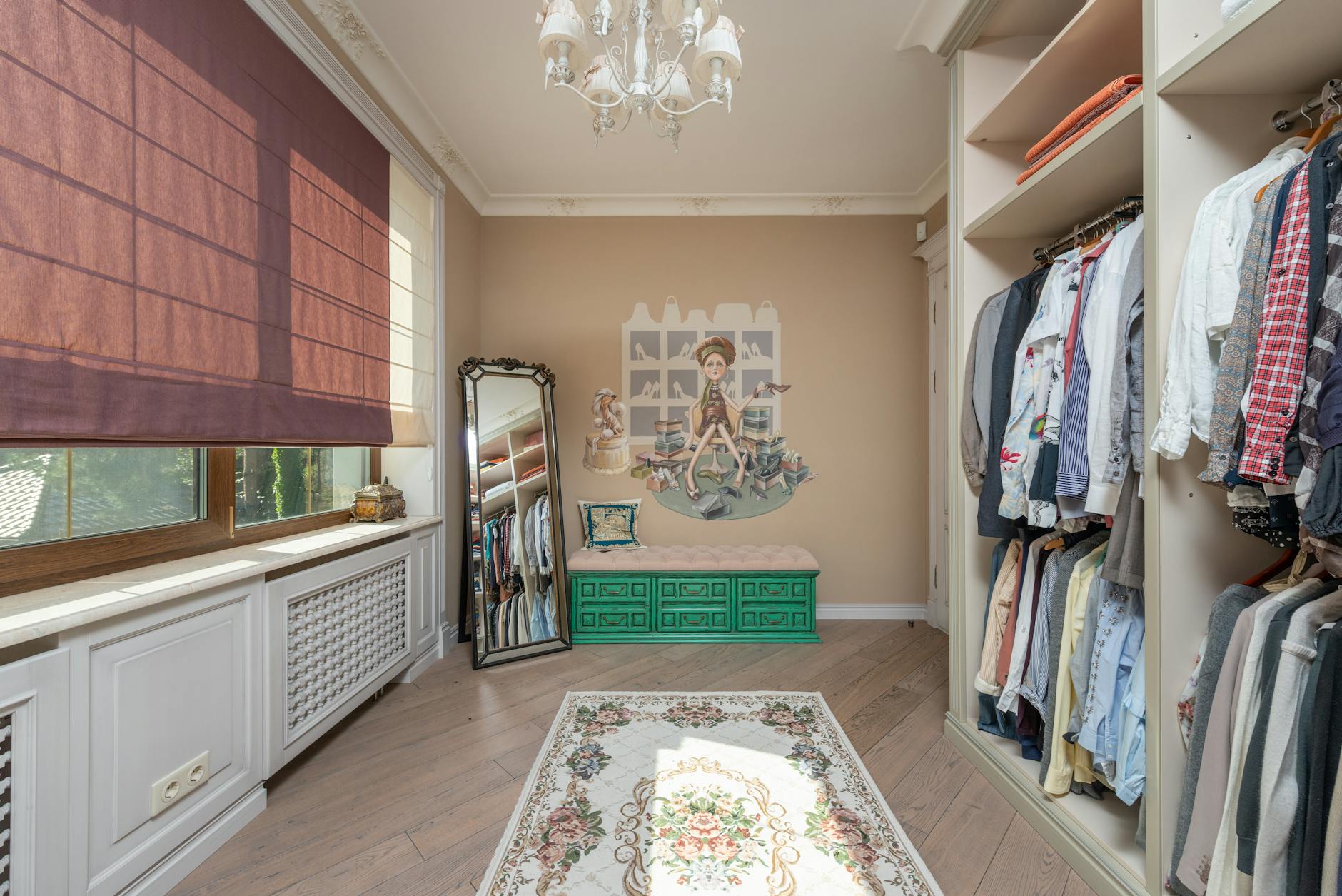
You do have something to wear. You have a whole closet. But in the fog of "smart casual" panic, nothing seems right. The blazer is too formal. The jeans are too casual. The one pair of nice trousers you own has a mysterious stain that you're now noticing for the first time. So you order a $38 button-down in a color described as "dusty sage" and pray it arrives before Saturday.
It will arrive looking nothing like the model. You will wear it anyway. You will spend the entire event wondering if you look like you tried too hard or not hard enough. This is the smart casual experience in full.
Can We Please Just Fix This?
Here's a modest proposal: if you are hosting an event and you are writing a dress code, you owe your guests specifics. "Smart casual" is not a dress code. It is a vibe. And vibes, while culturally important, do not help anyone decide whether to wear heels.
Try something like: "Nice jeans or trousers, no athletic wear." Or: "Cocktail-adjacent but comfortable — think sundresses and loafers." Or literally anything that contains one concrete piece of information. You will save lives. Or at least group chats.
Until that cultural shift arrives, the rest of us will continue doing what we've always done — standing in front of our closets at 9pm, holding a blazer in one hand and a blouse in the other, wondering if we can make this work, knowing deep down that "smart casual" is less a dress code and more a personality test we never agreed to take.
The Outfit Watch Verdict
Wear the blazer. Dress it down with something unexpected underneath. Swap the formal shoes for a clean, simple sneaker or a loafer. Look intentional without looking like you're trying to impress a LinkedIn connection.
And if anyone asks? Tell them it's "smart casual."
Watch them panic.