The 30-Day Hostage Situation: A Comprehensive Guide to Living With a Shirt You're Definitely Returning
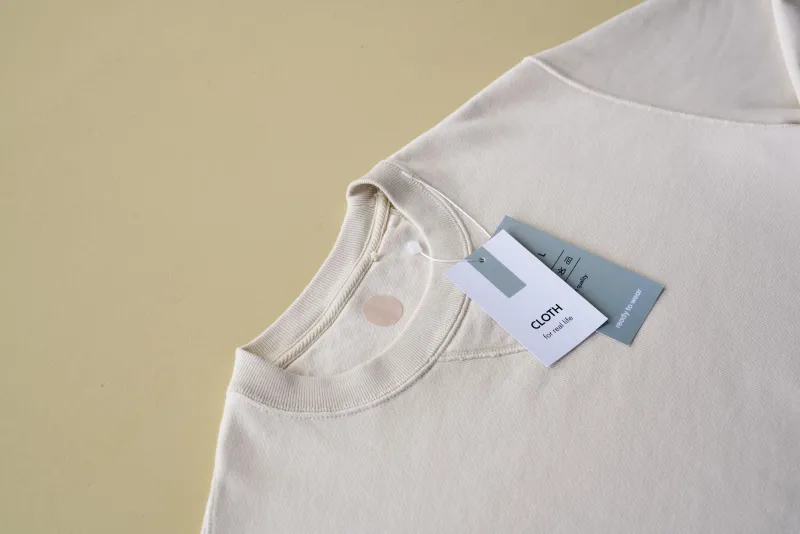
Day one: the package arrives. You ordered it during a particularly inspired browsing session — maybe at 11pm, maybe after seeing someone wear something similar on Instagram, maybe during a brief but sincere period when you believed your life was about to change. You open the box. The shirt is fine. It is exactly what it looked like in the photos, which is to say it is a shirt.
You put it back in the bag and place it on your bedroom chair. You will try it on properly later. Later is a very flexible concept.
This is the beginning of the 30-day hostage situation.
The Anatomy of the Return Window
The return window is one of retail's most psychologically sophisticated inventions. Thirty days sounds like a generous, reasonable amount of time to evaluate a purchase. And it is — if you are a person who makes decisions promptly and follows through on them.
Most people are not that person. Most people are the person who needs approximately 27 of those 30 days just to emotionally process the fact that the item exists in their home, and then three days of mild panic when they realize the window is closing.
The return window isn't really about giving you time to evaluate the product. It's about giving you enough time to get emotionally attached to it, second-guess the return, and eventually decide that keeping it is easier than finding the original packaging, printing a label, and going to a UPS store.
This is not an accident.
The Stages of Return Window Grief
Days 1–3: Optimistic Limbo. The item is in the house. You're not sure about it, but you're not not sure about it. You have plenty of time. You tell yourself you'll try it on "this weekend" with "a few different things" to really see what it can do. This is the most delusional phase, and also somehow the most pleasant.
Days 4–10: Strategic Avoidance. You walk past the bag every day. You have not opened it again. You have not tried it on. You are aware of it the way you're aware of a slightly overdue bill — present, acknowledged, not yet urgent. You remain technically within the return window. Everything is fine.
Days 11–20: The Negotiation Period. You finally try it on. It's... okay. The fit is slightly off in a way that's hard to articulate — not wrong, just not quite right. You try it with three different bottoms. You take a photo in the mirror. You send the photo to a friend who says "cute!" which is not the decisive endorsement you needed. You are now negotiating with yourself about whether this shirt deserves a place in your life.
Days 21–27: The Guilt Spiral. You still haven't returned it. The tags are still on. The bag is on the chair. You have thought about returning it every single day for a week and done nothing. You start to wonder if maybe you should just keep it. Maybe you just haven't found the right occasion. Maybe you just need the right pants.
Days 28–30: The Reckoning. You realize the window is closing. You experience a specific kind of low-grade panic that is disproportionate to the stakes. You either scramble to return it, or you decide that the effort of returning it is no longer worth it and you're keeping the shirt. Either way, you feel vaguely bad about yourself.
The Tags-Still-Attached Walk of Shame
Returning something with the tags still on is, rationally, the ideal outcome. You didn't wear it. It goes back in perfect condition. Everyone wins.
And yet there is something about walking into a store or handing a bag to a UPS employee with tags still on a garment that produces a faint but distinct sense of judgment. Not from the employee, who has processed approximately 400 of these today and feels nothing. From yourself.
The tags-still-attached return is an admission: you bought something, brought it home, and couldn't commit. You had a relationship with this item and you ended it before it began. The tags are evidence.
This is why people sometimes cut the tags off things they're returning. Not to be deceptive — just to feel like they gave it a real chance. This is completely insane behavior and also extremely relatable.
The 'I'll Style It Eventually' Delusion
Here is the most dangerous thought in the return window psychology: I just haven't found the right way to wear it yet.
This thought arrives around day 22 and it is almost always wrong.
If you haven't figured out how to wear something in three weeks of it living in your home, you are not going to figure it out in month four. The item is not waiting for you to unlock its potential. It does not have hidden depths. It is a shirt. It fits the way it fits. It works with the things it works with. The fact that you haven't styled it successfully is data, not a temporary obstacle.
But the "I'll style it eventually" thought is seductive because it reframes giving up as a future possibility rather than a current failure. You're not keeping a shirt you can't figure out — you're holding onto potential. You're an optimist. You're a person who believes in the shirt.
The shirt does not believe in you back. The shirt is going to live in your closet for eight months and then go to the donation bin, tags still attached, unloved and unstyled.
The Real Cost of the Return You Didn't Make
Beyond the money — which matters, but let's set it aside for a moment — the unreturned item has a psychological cost that's easy to underestimate. It takes up space, literally and mentally. It sits in your closet as a small, daily reminder of an unresolved decision. It makes you feel vaguely disorganized in a way you can't quite place.
Fashion psychologists — yes, this is a real field — have noted that clutter and unresolved purchases create low-level cognitive load. Every item in your space that doesn't belong there is a tiny, ongoing drain on your attention. The shirt you're not sure about is not neutral. It is costing you something.
The return, on the other hand, is one of the cleanest feelings in modern consumer life. The moment you drop the package off and get the confirmation email, the weight lifts. The decision is made. The money comes back. The shirt goes to someone who will actually wear it.
This is the thing the return window wants you to forget: returning something is not failure. It is resolution.
A Practical Field Guide
If any of this sounds familiar, here is the only advice you need:
Try the item on within 48 hours of receiving it. Not eventually. Not this weekend. Within 48 hours. Make a decision. If you love it, great. If you're not sure, that's your answer. "Not sure" items go back. You know this. You've always known this.
The 30-day window is a courtesy, not an invitation to procrastinate your way into keeping something you don't want.
Return the shirt. You'll feel better. And you'll be free to order something new at 11pm while scrolling Instagram, convinced your life is about to change.
It's a beautiful cycle.