The Size Said Medium and That Was Apparently Just a Suggestion
Somewhere out there, a reviewer named Kayla left a five-star write-up that said: "Runs true to size! I'm 5'4", 130 lbs, ordered my usual medium and it fits perfectly. So flattering!" You read this. You found it helpful. You ordered the medium.
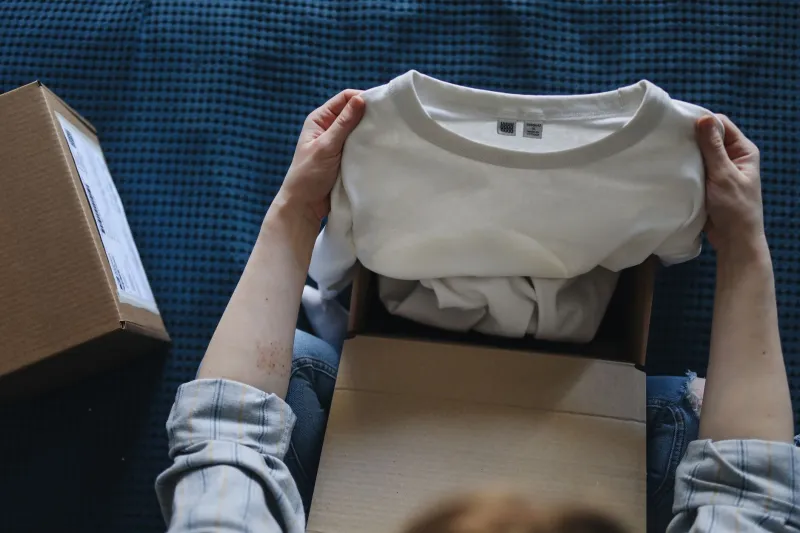
The medium arrived. It fit your left shoulder and approximately forty percent of your torso. The rest was optimistic fabric.
You are not bad at shopping. Kayla is not lying. The sizing system is simply, comprehensively, not a system at all.
The Myth of the Universal Medium
Here is the foundational problem: there is no standardized sizing in American fashion retail. None. A medium at one brand is a large at another and a small at a third and at a fourth brand the size is just called "relaxed" which means absolutely nothing and could fit anyone from a size six to a size fourteen depending on the cut.
This is not a recent development or an oversight. Standardized sizing was attempted in the US as far back as the 1940s, based on measurements taken from a narrow demographic that didn't represent most of the population. The system was always approximate. Over the decades, brands have shifted their sizing independently — some toward vanity sizing (making sizes run large so customers feel good about ordering a smaller number), some toward aspirational sizing (making sizes run small, which is the opposite strategy and somehow also exists), and some toward what can only be described as whatever the factory produced that quarter.
The result is a retail landscape where the same human body is a size 6 at Banana Republic, a size 10 at Zara, a medium at Target, a large at Reformation, and something called a "2" at Skims that corresponds to no measurement found in nature.
Why Reviews Are Basically Fan Fiction
Online reviews are written by real people with genuine intentions, and they are still almost entirely useless as fit guidance. Here's the structural reason why.
A review tells you how a garment fit one specific body at one specific moment in one specific colorway (because dye lots and fabric weights can vary even within the same item). When Kayla says it fits true to size, she means it fits her true to size, which is only useful information if your body is geometrically similar to Kayla's in every relevant dimension — not just height and weight, but shoulder width, hip-to-waist ratio, torso length, and the specific way your body distributes itself across those measurements.
Weight and height, which are the two data points most reviewers provide, tell you very little about fit. Two people who are both 5'6" and 145 pounds can have completely different shoulder widths, torso lengths, and hip measurements. A dress that fits one of them beautifully might not zip on the other. This is not a failure of either body. It's just geometry.
Add to this the fact that reviews skew positive (people who receive something unwearable often just return it without reviewing), and that influencer try-on hauls are frequently conducted in gifted samples that have been tailored or steamed before filming, and the informational value of "just check the reviews" collapses pretty quickly.
Brand-by-Brand Reality Check
Since we're being honest, here's some crowdsourced fit intelligence that the size charts won't tell you.
Zara runs small and European, which means their sizing is aspirational in a way that is occasionally aggressive. If you're between sizes, size up. If you have any width through the shoulders, size up twice and consider it a personal challenge.
Free People is wildly inconsistent by category. Their flowy, oversized stuff is genuinely forgiving and size-agnostic. Their structured pieces seem to be sized for a very specific body type that may or may not be yours. Check the model's measurements in the product details if they're listed — they sometimes are.
ASOS sources from dozens of different manufacturers under one roof, which means the size 12 in one dress and the size 12 in another dress from the same website are essentially unrelated garments that happen to share a number. Their own brand tends to run slightly generous; third-party brands on the platform are a lottery.
Reformation runs small. This is well-documented and still somehow surprises people every season. Their size chart is genuinely detailed — use it. Don't guess.
Amazon fashion is a philosophical exercise in uncertainty. The same product listing can contain items from multiple manufacturers depending on when you order. The reviews are often from different production runs than what you'll receive. Order with the expectation of returning.
Levi's is one of the more honest sizing operations in mass retail because they use actual measurements (waist and inseam in inches) rather than abstract numbers. This does not mean the jeans will fit perfectly — rise, stretch content, and cut still vary enormously — but at least you're working with real data.
The 'Size Down!' Influencer Problem
A specific word about the influencer advice to "size down" or "order your usual size" — this guidance is being delivered from a body that is not yours, styled by someone whose job is to make things look good on camera, often in a sample size that was made for a specific fit model.
This is not an attack on influencers. It's just context. When someone with a straight silhouette tells you a dress runs true to size, that information applies to straight silhouettes. When someone with a petite frame says the proportions are perfect, that's petite frame data. The advice isn't wrong — it's just narrowly applicable, and it's presented as universal.
The most useful fit content comes from creators who share your specific measurements and body shape, not just a general size range. If you can find a reviewer who is genuinely your dimensions, their guidance is worth a hundred Kaylas — no offense to Kayla.
What Actually Helps
Measure yourself. Chest, waist, hips, and inseam. Write them down. Use them instead of the size number whenever a brand provides a measurement-based size chart, which good ones increasingly do.
Filter reviews by height range when the option is available — some sites have started allowing this and it's genuinely useful.
Buy from brands with free returns when you're trying something new. This sounds obvious but it changes your entire relationship with the risk of ordering online.
And finally: when something doesn't fit, the item is wrong. Not you.
The size is a suggestion. You are the actual data.