The Delusional Optimist's Guide to Buying Clothes for Your Fantasy Life
The Delusional Optimist's Guide to Buying Clothes for Your Fantasy Life
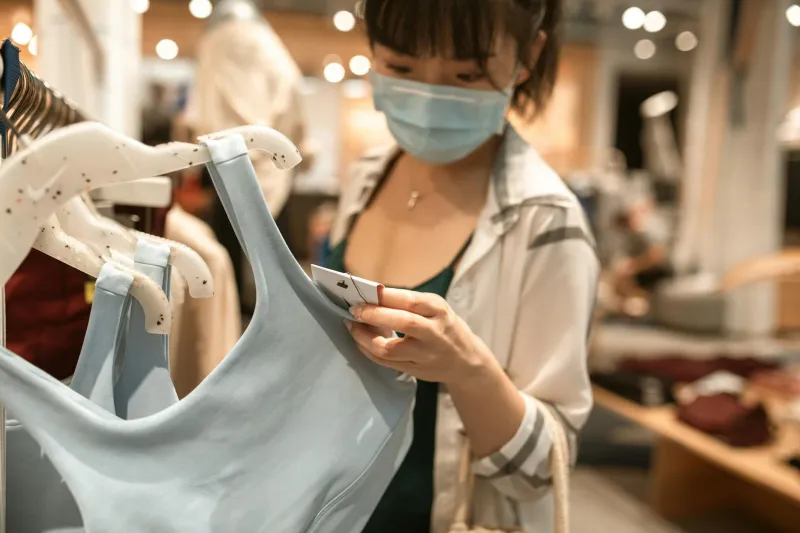
Let's be honest about what's really happening when you're standing in Target at 2 PM on a Tuesday, holding a sequined blazer and whispering "I could totally wear this to... something." You're not shopping for your actual life. You're shopping for the cinematic version of your existence that plays exclusively in your head while Dua Lipa provides the soundtrack.
Welcome to America's most expensive delusion: buying clothes for the person you think you're going to become.
The Birth of a Beautiful Lie
It starts innocently enough. You see The Item — maybe it's a leather jacket that screams "I ride motorcycles and have mysterious hobbies," or a flowy midi dress that whispers "I attend garden parties and know which fork to use for salad." In that moment, your brain performs Olympic-level mental gymnastics to justify why this purchase makes perfect sense.
"I'll wear it to Sarah's wedding!" you declare, conveniently forgetting that Sarah got married three years ago and you wore Spanx and regret.
"Perfect for date nights!" you announce, despite the fact that your last date night involved arguing about Netflix passwords while wearing pajama pants with a hole in the knee.
"This screams 'work conference!'" you proclaim, as if you haven't attended the same Zoom meetings in hoodies for the past four years.
The Psychology of Aspirational Shopping
What's really happening here is that you're not buying clothes — you're buying hope. Hope that you'll become the type of person who needs a statement necklace for brunch. Hope that your social calendar will suddenly explode with events requiring "elevated casual." Hope that you'll wake up tomorrow with the confidence to wear wide-leg pants without feeling like you're playing dress-up in your mom's closet.
Retailers know this, by the way. They're not just selling fabric; they're selling dreams. That mannequin isn't wearing a simple white button-down — she's wearing "effortless sophistication" and "I definitely have my life together." The marketing team didn't name it "Basic Cotton Shirt #47." They called it "The Executive" or "City Chic" or some other aspirational nonsense that makes you think buying it will transform you into the kind of person who orders wine without looking at prices.
The Great Occasion Invention
The most creative part of this whole charade is how we invent occasions that will never exist. We become fiction writers, crafting elaborate scenarios where our impulse purchases finally see daylight.
"I'll wear this to the office holiday party!" (Your company's idea of a holiday party is leftover pizza in the break room.)
"Perfect for weekend farmers market trips!" (You buy groceries at 11 PM from the 24-hour Safeway like a normal person.)
"This is exactly what I need for casual Friday!" (Your workplace's casual Friday means you can wear jeans instead of slacks, not that you've suddenly joined the cast of Friends.)
We're essentially playing wardrobe Mad Libs, filling in the blanks with imaginary social events and aspirational lifestyle changes that exist only in our checkout-line fantasies.
The Closet Cemetery
Fast forward six months, and that gorgeous piece is hanging in your closet with the tags still on, surrounded by its fellow fantasy-life casualties. There's the "I'm definitely going to start hiking" athletic wear, the "I'll learn to cook fancy dinners" apron that cost more than your actual dinners, and the "I'm basically Carrie Bradshaw" shoes that you can't walk in for more than thirty seconds.
These items become archaeological evidence of all the people we thought we'd become. They're time capsules of optimism, preserved in plastic bags and buyer's remorse.
The Social Media Factor
Social media has turned this phenomenon into a full-contact sport. Now we're not just shopping for our fantasy lives — we're shopping for our fantasy Instagram feeds. That crop top isn't just for "summer festivals" (which you'll never attend); it's for the aesthetic cohesion of your grid.
We've created an entire economy based on buying clothes for photos we'll never post, for events we'll never attend, for versions of ourselves that exist only in our carefully curated imagination.
The Rationalization Olympics
The mental gymnastics we perform to justify these purchases deserve their own Olympic category. We become master negotiators with ourselves:
"It was on sale!" (From $89 to $79, which is still $79 more than you should spend on something you'll never wear.)
"I can dress it up OR down!" (Translation: It will look equally out of place at Target and at weddings.)
"It's an investment piece!" (You're investing in the hope that you'll become someone who needs investment pieces.)
"I'll definitely wear it once I lose ten pounds!" (Ah yes, clothes for Future You, who apparently has both a different body and a completely different social calendar.)
The Great American Closet Audit
If we're being honest, most of our closets could double as museums of misguided optimism. We're curating collections of who we thought we'd be, organized by delusion:
The "I'm Outdoorsy Now" section, featuring hiking boots that have never seen dirt and moisture-wicking shirts that have never wicked anything more intense than coffee shop anxiety.
The "I Attend Events" wing, showcasing cocktail dresses for cocktail parties you were never invited to and blazers for networking events you were too introverted to attend.
The "I Have Hobbies" display, with yoga pants for yoga classes you never took and art smocks for the creative phase that lasted exactly one Pinterest scroll.
Making Peace with Your Fantasy Wardrobe
Here's the thing: we're all doing this, and that's oddly comforting. In a world where everything feels uncertain, there's something beautifully human about buying a silk scarf for the sophisticated European vacation version of yourself, even if your actual vacation plans involve a road trip to visit your parents.
Maybe the real value isn't in wearing these items — maybe it's in the hope they represent. Maybe that unworn party dress isn't a waste of money; it's a reminder that part of you still believes good things are coming. Maybe those uncomfortable shoes aren't a mistake; they're evidence that you haven't given up on the idea that you might become someone who goes places worth dressing up for.
The Bottom Line
So the next time you find yourself holding something gorgeous and completely impractical, whispering "I'll wear it to something," just remember: you're not alone in this beautiful delusion. You're participating in America's most optimistic shopping tradition.
Just maybe ask yourself: do you need another costume for the person you're pretending to become, or would you rather invest in clothes for the person you actually are?
Because honestly? The person you actually are probably has much better taste anyway.