The Great Store-to-Home Fashion Transformation: A Scientific Study of Retail Deception
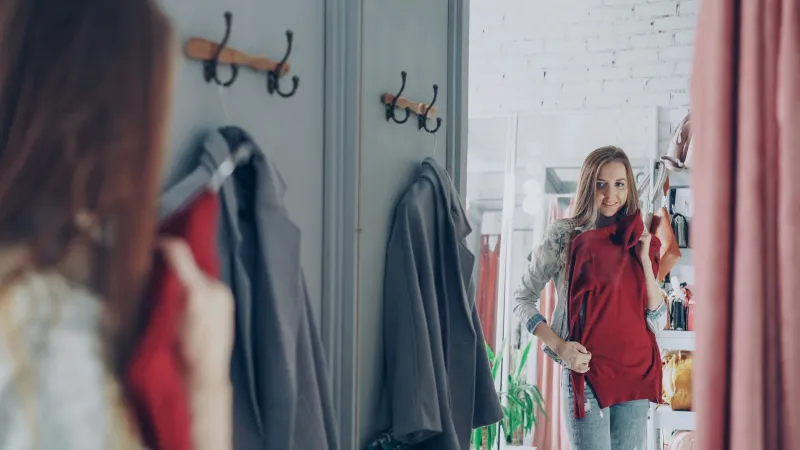
The Scene of the Crime
Picture this: You're standing in a dressing room, fluorescent lights humming overhead, surrounded by mirrors that somehow make you look like the main character in your own romantic comedy. That midi dress? Chef's kiss. Those jeans? They're practically speaking to your soul. You hand over your credit card with the confidence of someone who just solved world peace through retail therapy.
Fast forward to your bedroom, natural lighting streaming through the windows, and suddenly you're staring at what appears to be completely different garments. The dress that made you feel like Audrey Hepburn now has the vibe of a potato sack that went to fashion school but dropped out halfway through. The jeans that hugged you in all the right places are now staging what can only be described as a hostile takeover of your entire lower body.
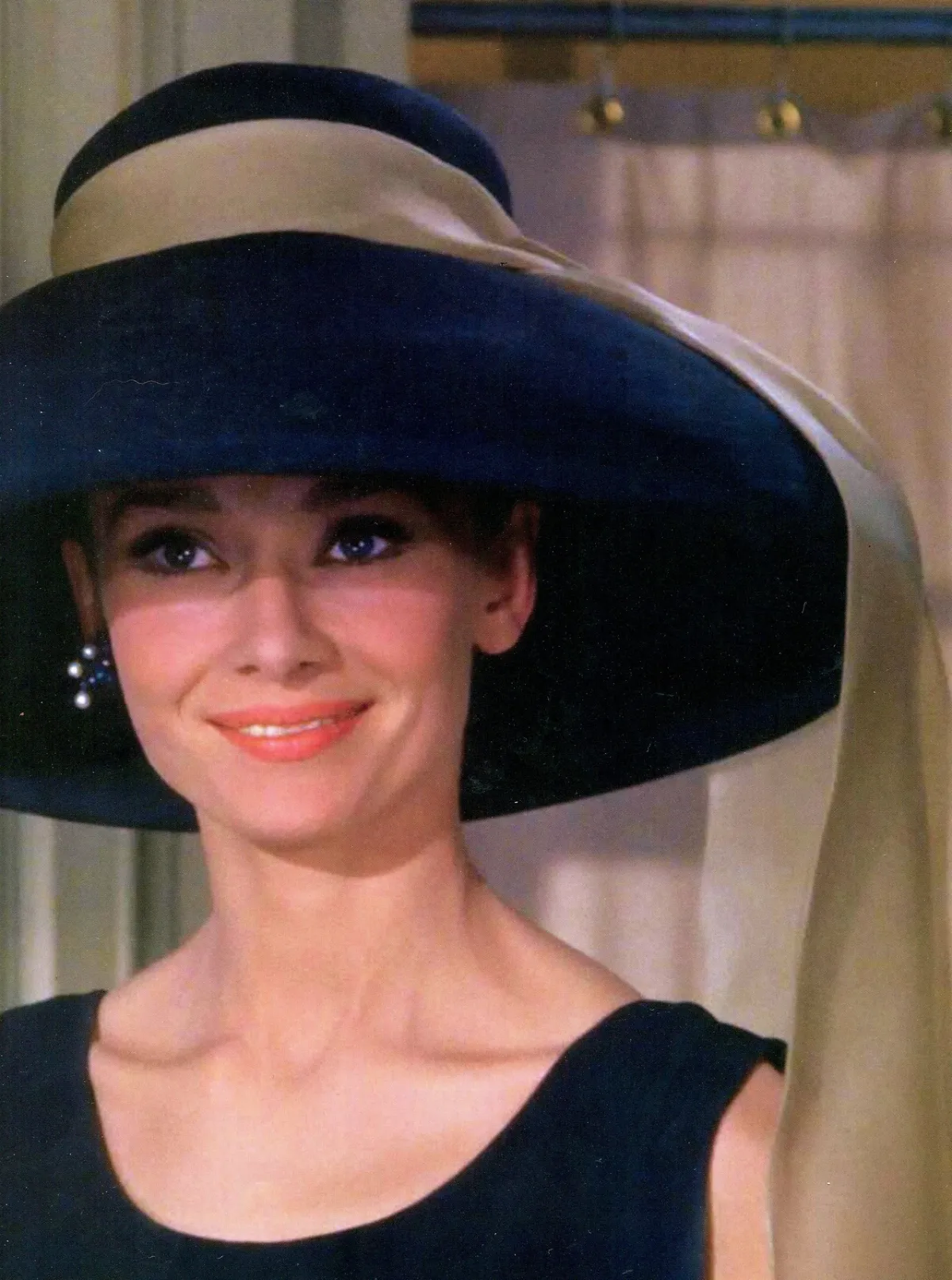 Photo: Audrey Hepburn, via 64.media.tumblr.com
Welcome to the most documented yet least discussed phenomenon in modern shopping: the Great Store-to-Home Fashion Transformation.
The Lighting Conspiracy
Let's talk about the elephant in the fitting room: those lights are not your friend. They're specifically designed to make you look good enough to buy but not so good that you'll never need to shop again. It's retail psychology at its finest, and we're all willing participants in this beautifully orchestrated scam.
Store lighting operates on the same principle as those ring lights influencers use, except instead of making your skincare routine look flawless, it's making that $89 sweater look like it was personally blessed by the fashion gods. The warm, slightly pink-tinted bulbs smooth out imperfections, minimize unflattering shadows, and generally create an atmosphere where everything looks like it belongs in a catalog.
Meanwhile, your bedroom lighting is out here serving harsh truths and natural consequences. No filter, no mercy, just the cold, hard reality of how that impulse purchase actually fits into your existing wardrobe (spoiler alert: it doesn't).
Mirror, Mirror on the Wall (But Only the Flattering Ones)
Dressing room mirrors deserve their own investigative documentary. These aren't just reflective surfaces; they're strategic installations designed to show you your best possible self. They're angled just so, positioned at the perfect height, and somehow manage to add length to your legs while subtracting years from your appearance.
The mirrors in your home, however, are apparently committed to honesty in a way that feels almost aggressive. They show you exactly how that "flattering" top actually sits on your shoulders (spoiler: not great) and reveal that those pants create a silhouette that can only be described as "business casual scarecrow."
The Psychology of Retail High
There's something about being in a store that activates the same part of your brain that makes terrible decisions at 2 AM. The music is carefully curated to make you feel like you're living your best life, the displays are arranged to make everything look effortlessly chic, and there's an energy in the air that whispers, "You could be the kind of person who owns this."
This retail euphoria is a powerful drug. It makes you believe that purchasing a $120 jacket will somehow transform you into the type of person who has their life together enough to own a $120 jacket. It's the fashion equivalent of thinking that buying expensive workout clothes will make you enjoy exercising.
The Great Expectation vs. Reality Showdown
The moment you bring your purchases home, reality comes knocking like an overly aggressive landlord. That dress that made you feel like you could conquer the world now makes you question whether you understand how clothes work. The shoes that felt like walking on clouds in the store are apparently designed for a foot shape that exists only in retail environments.
It's not just about fit, either. Colors look different under your regular lighting. Textures feel different against your skin when you're not running on shopping adrenaline. Even the way clothes hang changes when they're not surrounded by the carefully curated aesthetic of a retail environment.
A Survival Guide for the Retail Battlefield
So how do you navigate this minefield of retail deception without completely giving up on shopping? Here's your survival kit:
Take Photos: Snap a quick pic in the dressing room, then look at it under different lighting. Your phone camera will show you a more accurate representation than those strategic mirrors.
The 24-Hour Rule: If possible, sit on purchases for a day. That burning desire to own something often cools down once you're out of the retail environment.
Bring a Brutally Honest Friend: Someone who will tell you the truth about how that top actually looks, not just what you want to hear.
Test the Return Policy: Know your options before you buy. Most stores have generous return policies for a reason.
The Plot Twist: Sometimes It Works
Here's the thing that makes this whole phenomenon even more maddening: sometimes the magic actually translates. Sometimes you get home and that dress still makes you feel like the main character. Those jeans still fit like they were custom-made for your body. The sweater still makes you look like you have your life together.
These victories are what keep us coming back, like gamblers at a slot machine. We remember the hits and conveniently forget the misses, which is probably why most of us have at least three items in our closets with tags still attached.
The Real Truth
The store-to-home transformation isn't really about deceptive retail practices (okay, it's a little bit about that). It's about the gap between aspiration and reality, between who we think we could be and who we actually are in our everyday lives.
That dress looked amazing in the store because for a brief moment, you believed you were the kind of person who could pull it off. The transformation happens not because the dress changed, but because the fantasy faded. And honestly? That's not necessarily a bad thing. Sometimes the fantasy is worth the price of admission, even if it doesn't survive the trip home.
Just maybe keep those receipts handy.